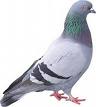
The ability of this bird to easily adapt to urban environments has meant that their numbers have persisted and in some areas increased to pest proportions.
Being related to the rock dove, pigeons are able to roost on very narrow ledges, beams and roof lines. In the urban environment building facades, roofs, bridges and jetties provide plenty of roosting options and human activity provides a variety of food sources.
pigeons do a great deal of damage to buildings due to the acidic nature of their droppings. Feathers, eggs and dead birds also foul the environment and buildings, sometimes blocking gutters which can lead to flooding in rain events.
In order to control pigeons the following need to be employed:
• The reduction of food sources;
• The reduction of nesting and roosting sites;
• The pigeon proofing of buildings;
• Trapping, where appropriate, to remove small established pigeon populations;
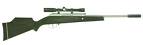
• Controlled culling for large flocks congregating at a food source

Feral Pigeon
Columba Livia
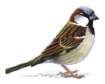
House Sparrows have lived around humans for centuries. Look for them on city streets, taking handouts in parks and zoos, or cheeping from a perch on your roof or trees in your yard. House Sparrows are absent from undisturbed forests and grasslands, but they’re common in countryside around farmsteads.
The House Sparrow takes frequent dust baths. It throws soil and dust over its body feathers, just as if it were bathing with water. In doing so, a sparrow may make a small depression in the ground, and sometimes defends this spot against other sparrows.
Sparrows invade loft spaces and block gullies when nesting and become a nuisance when they flock together in large numbers.
Pigeon spiking.
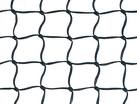
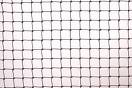
Pigeon netting
Pigeon Culling
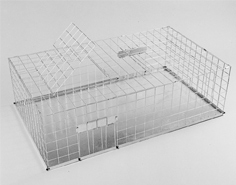
Pigeon trapping
House Sparrow
Passer Domesticas

Call Today: 020 86166782 Mobile: 07432 022 541
Bird
Control

©2016 All Rights Reserved Web by RAPC
Company Registration Number: 06610444 Infest-a-Cure Ltd / TA Rest Assured Pest Control Address: 253b Chingford Mount Road, Chingford, London E4 8LP
We specialize in feral pigeon culling this traditional method has proven to be very effective when large numbers are flocking.
Sparrow and starling
netting